Practical questions and answers
How do you start a testable robot project?
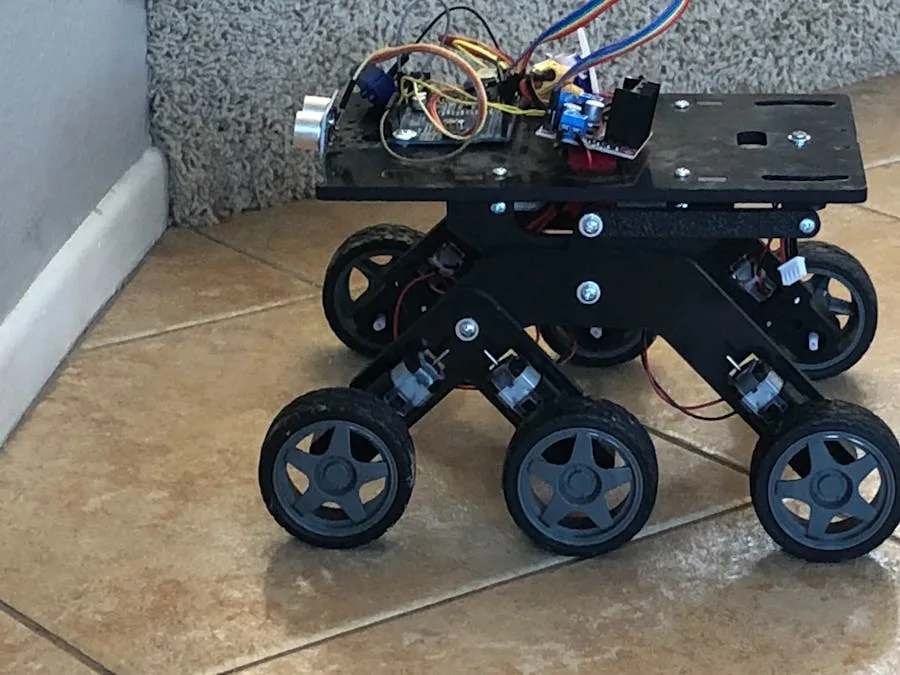
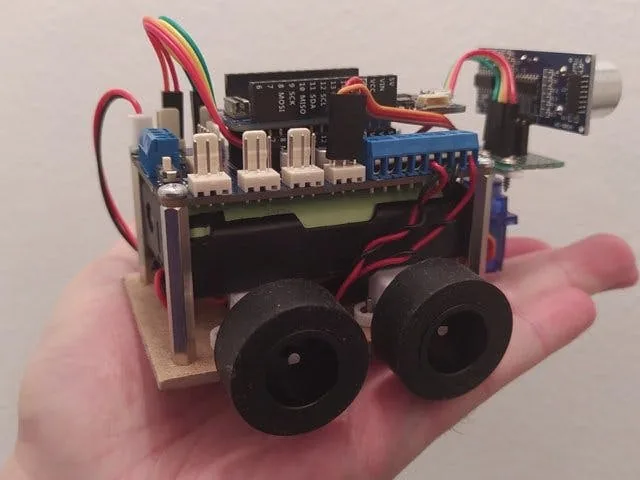
Start with one defined task, such as moving a lightweight test object or following a marked route, then specify the environment, payload and control method. Design an experiment to verify that task before adding features. Movement alone is insufficient: define startup, stopping and behavior during signal loss or an obstacle within the test scope.
Should I choose a mobile robot or an arm?
For travel between locations, evaluate a mobile platform and its route. For gripping or positioning within a fixed workspace, evaluate a suitable mechanism or arm. Record object dimensions, holding method and required motion space. The most complex form is not necessarily the best fit or the easiest to test.
How does manual control differ from autonomous motion?
With manual control, an operator directs movement. Autonomous motion requires a way to interpret the environment, make decisions and execute a route. One added sensor does not prove autonomy. Test motion and sensing separately, then together in a defined scenario, recording cases that still require operator intervention.
How should you review a prototype before demonstration?
Review fixings, wiring and motion range. Define an isolated test area and a risk-appropriate stopping method reviewed by a specialist. Test connection loss and stopping under controlled conditions, recording results and limitations. An educational or demonstration prototype is not automatically an approved system for operation beside people or within a production line.
What information is needed for a robot project quote?
Send the task description and a sketch or reference video, including payload, dimensions, surface, required operating duration and control method. Identify existing parts and what needs development, and distinguish a display model from a functional experiment. Cost and schedule are reviewed against these requirements and test deliverables rather than treating every robot project alike.
Turn this guidance into a clear scope
Custom motion, control, and sensing prototypes for research, education, and industrial concept validation.
Robotics Request a quote