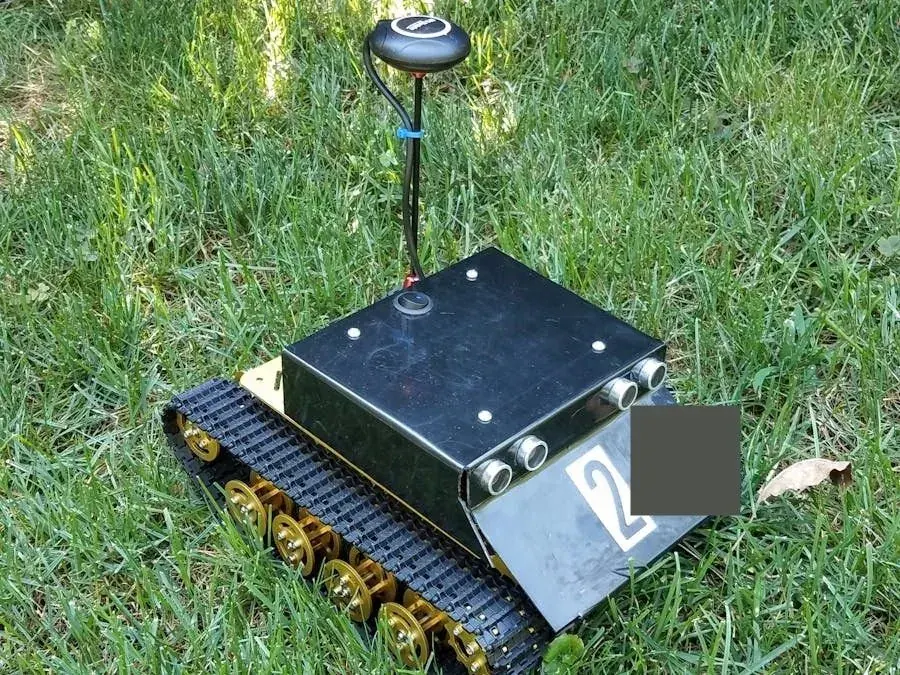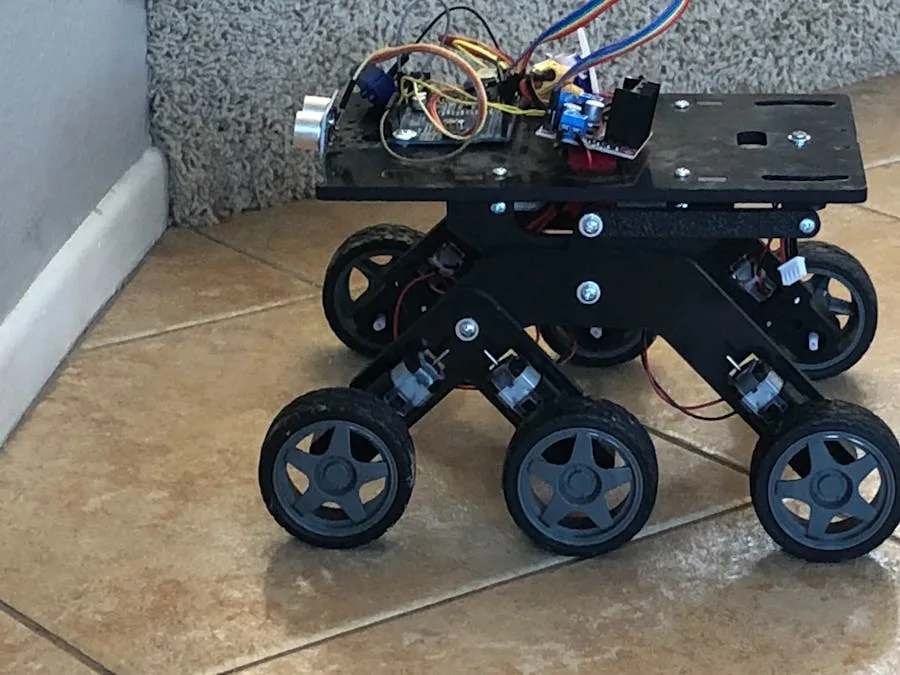

Motor selection starts with load, motion, duty cycle, and environment, then moves to gearing, driver, and supply.
Core idea
Calculate torque, speed, and power before buying. Motor selection starts with load, motion, duty cycle, and environment, then moves to gearing, driver, and supply.
A sound engineering decision connects requirements to the operating environment, constraints, and a measurable outcome. Start with what must work and how success will be proven—not with a tool or component.
A practical, actionable workflow
- Calculate continuous and startup torque with a sensible safety factor.
- Match the torque-speed curve to the required operating point.
- Verify driver current, thermal behavior, braking, and mechanical mounting.
Validation and common mistakes
Set acceptance criteria before testing and record conditions, revision, and outcome. Common mistakes include expanding scope too early, relying on one successful trial, or changing several variables at once.
- Verify performance under conditions close to real use.
- Document assumptions, evidence, and the next decision.
- Review safety, maintenance, and cost before production.
Ready to apply this to your project?
Alamat Solutions can help translate requirements into a practical, testable prototype.
Robotics Services Discuss your projectFrequently asked questions
Where should I start?
Start by defining a measurable outcome for “Motor Selection Guide,” then test the highest-risk assumption before expanding the solution.
Must every step be completed at once?
No. Run a small loop: clear requirement, bounded prototype, measurement, and decision. This reduces cost and accelerates learning.
When should I seek specialist help?
When safety, reliability, or manufacturing is involved, or when a wrong experiment costs more than expert guidance.