Services
Robotics and digital fabrication training
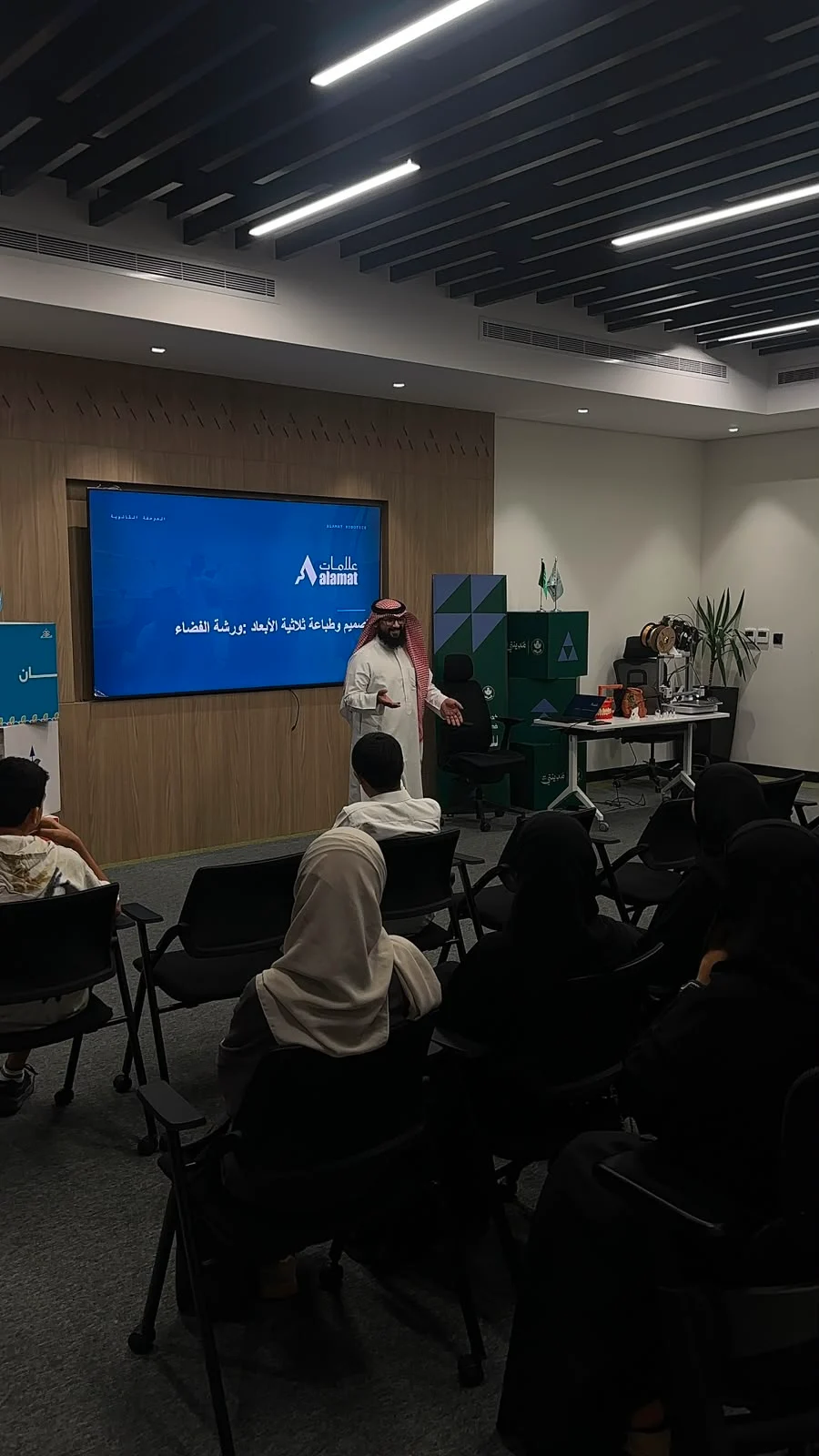
Alamat’s training and camps connect design, digital fabrication, electronics and robotics through practical projects that participants can explain and demonstrate. Participant level, learning objectives, time and venue guide activities and equipment. Checkpoints, a final project and agreed assessment criteria can be included, with preparation responsibilities and program outputs defined in the proposal.
Who it is for
Is this service a fit?
- Universities, schools, and training centers
- Talent and innovation programs
- Organizations training internal teams
Use cases
Practical outcomes, not a generic capability list
Robotics and electronics programs
CAD and printing workshops
Capstone project challenges
Delivery stages
What happens from assessment to handover
- 01
Audience and outcome definition
- 02
Curriculum and material design
- 03
Hands-on delivery and support
- 04
Assessment and final documentation
Technology and materials
The implementation follows the application
- Hands-on kits matched to level
- Equipment and software defined per venue
- Documentable assessment outputs
Related work
Related work
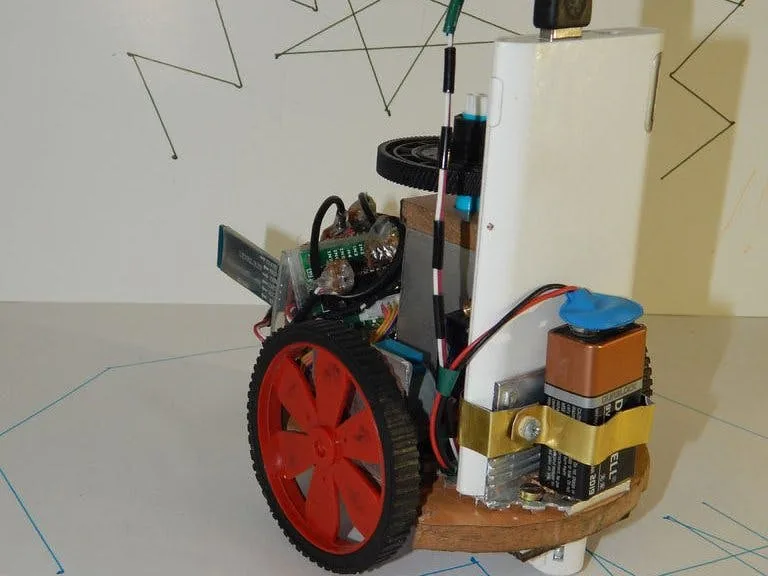
Single-Wheel Drawing Robot
An educational robot that draws a path as it moves to illustrate balance and motion.
Explore this work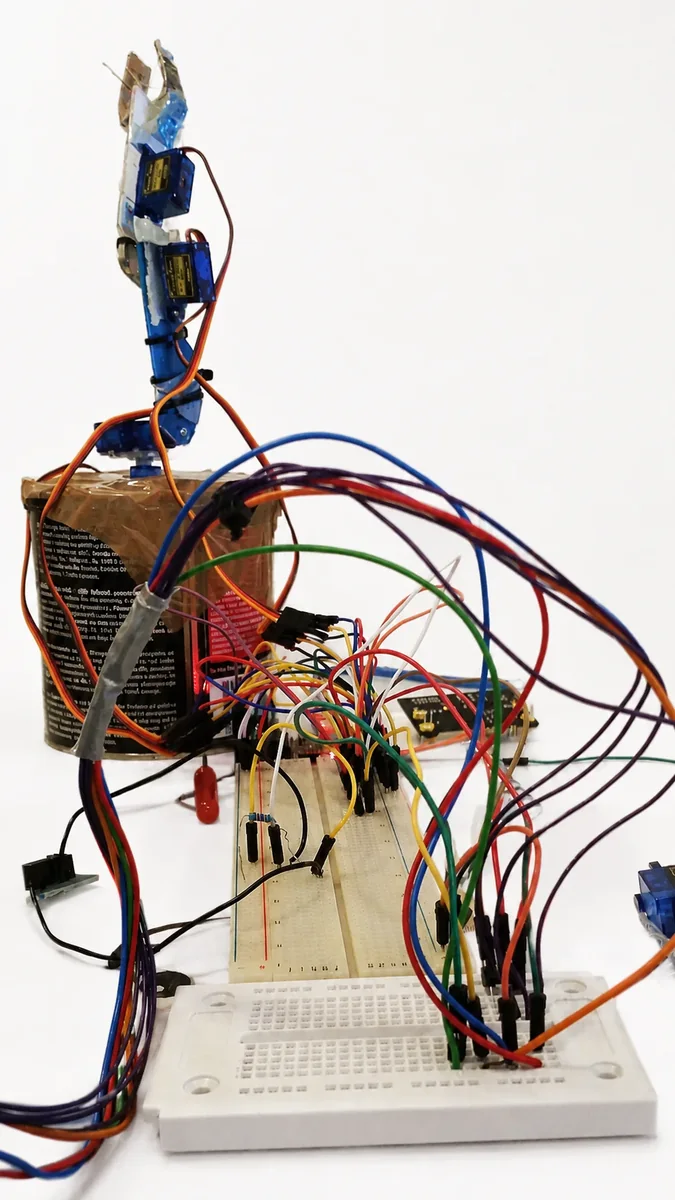
Programmable Arduino Learning Arm
A low-cost educational arm using Arduino and servo motors to explore movement, programming, and control.
Explore this work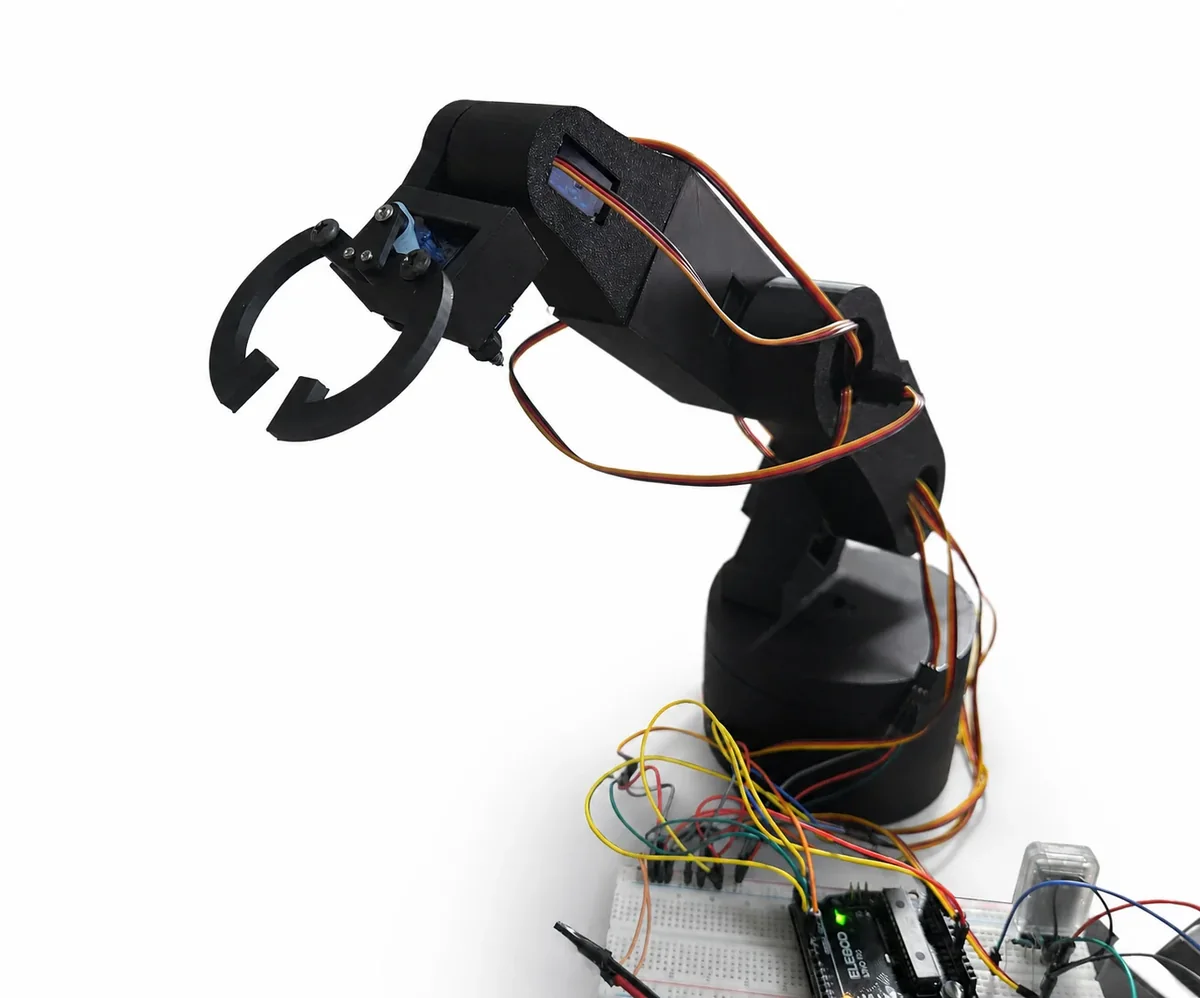
Arduino Uno Educational Arm
An educational robotic arm programmed from a computer to perform defined movements.
Explore this workFAQ
Frequently asked questions
Can the program be customized?
Yes. Activities are adapted to participant level, time, and intended output.
Do you provide equipment?
That is agreed after reviewing the venue, group size, and content.
How are participants assessed?
Programs can use checkpoints, a capstone project, and agreed evaluation criteria.
What is needed to plan a training program?
Provide audience, participant level and count, time, venue, intended skills and final output. Available equipment and prior experience help define suitable activities.
Can a program be suitable for beginners?
Activities can be adapted to the group’s level. Prerequisites, learning steps and a suitable project are defined before the program is agreed.
What affects training cost and duration?
Content, participant level and count, venue, equipment, preparation and the applied project affect scope. The proposal connects available time with the intended learning outcome.
How is the practical project chosen?
The project follows target skills, available time and tools. Participants should be able to explain the steps and demonstrate the agreed function at the program’s level.
What is agreed with the host organization?
Venue, equipment, preparation responsibilities, participant count, content, outputs and assessment are specified. Activity requirements are defined before training begins.
Next step
Have an idea worth turning into a product?
Send a structured brief so we can review the right path before sensitive details are shared.
What should you include in a quote request?
- Participant ages, skill levels and group size.
- Learning goals, available time and training location.
- Available equipment, materials and the intended practical project.
Handover and testing boundaries
The proposal defines content, duration, equipment, material responsibilities and practical outcomes. Any attendance certificate or assessment is stated explicitly; professional accreditation is not assumed.